Astronaut UAP Sightings Since 1951 Compiled, Fueling Evid...
1 day ago • 50 views

MUFON's briefing cites radar and Nimitz-era acoustic records to flag five ocean corridors, while other commentary asks how UAP evidence should be judged.
A new MUFON analysis identifies five ocean corridors where unidentified submerged objects (USOs) have been reported repeatedly, drawing on military radar data and naval acoustic records tied to the USS Nimitz encounter. The piece, part of a "Briefing Room" series with Richard Beckwith, is a pattern-based argument: if anomalous activity clusters in specific stretches of ocean, those places deserve systematic attention. The summary available to us does not list the corridors or the underlying datasets, so what follows is context rather than verification.
Most public debate about unidentified aerial phenomena focuses on the sky. USO reports raise a different problem: objects said to move between air and water, or to operate underwater, in areas where navies already run sensors. The MUFON analysis leans on exactly that kind of institutional data, citing radar returns and acoustic records rather than only eyewitness testimony. Instrument-based records are, in principle, the type of evidence that can be reviewed independently, provided they are released and their calibration and chain of custody are understood.
The reference to the Nimitz encounter is notable. That case is among the best-known modern military UAP episodes, and anchoring a regional pattern to it gives the analysis a documented starting point. Whether the same signatures appear in the other corridors is the key question, and one a reader cannot answer from a summary alone.
Mapping reports into corridors is a familiar method, and it carries familiar risks. Clusters can reflect where navies, shipping lanes and sensors are concentrated, not where anomalies actually occur. More observers and instruments in an area produce more reports. A credible corridor claim would need to account for that sampling bias, for example by comparing report density with sensor coverage and traffic.
That concern echoes a broader theme in this week's commentary. Richard Dolan, in a discussion on why UFO research has appeared to stagnate over 25 years, points to political barriers to disclosure and persistent patterns in the field. If data remain locked in military archives, outside analysts are left working from fragments, which makes any pattern analysis, MUFON's included, difficult to test.
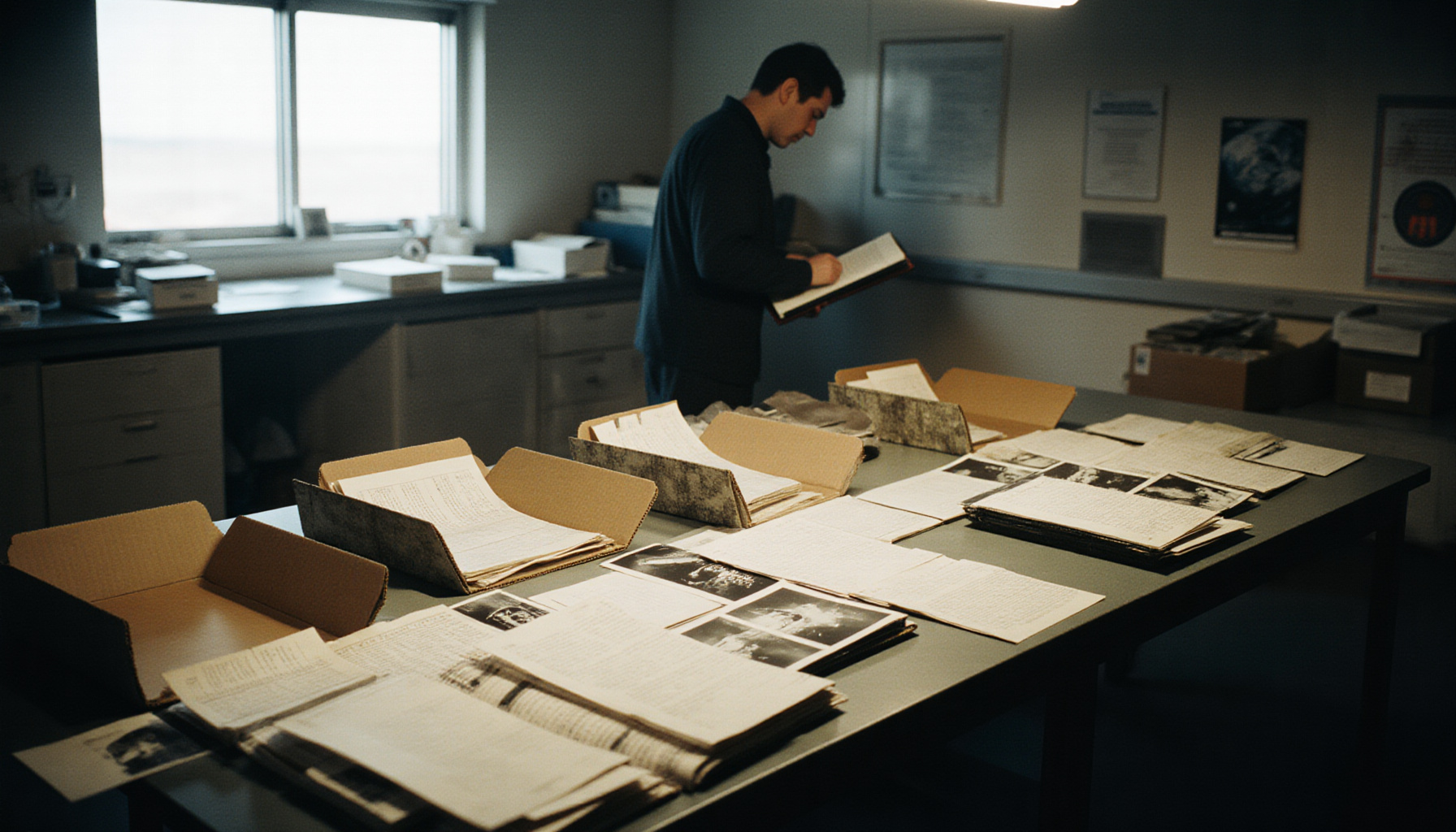
Other items show how contested sourcing remains. Journalists Ben Schreckinger and Nick Cook have discussed the James Ryder story, which alleges an exchange of alien technology between Bigelow and Lockheed Martin, and debated how credible it is. The discussion is a reminder that dramatic claims often rest on a single source, while sensor records and compiled accounts, such as a recent collection of astronaut and cosmonaut sightings from 1951 onward that includes declassified Pentagon materials, offer a different, more documentary kind of footing.
Dr. Jeffrey Kripal's discussion adds another layer. He explores how culture shapes the way UFO experiences are interpreted, and what abduction accounts may say about consciousness and reality. That perspective does not bear directly on radar tracks, but it is a useful caution: what people report and how they explain it are filtered through expectation and context, which is why instrument data carries so much weight.
For now, the MUFON briefing is best read as a hypothesis with an interesting premise: that the ocean, not only the sky, holds a measurable record of the phenomenon. Whether it holds up depends on data that, so far, the public has seen only in summary.
Originally published by
Editorial Desk
Article ID
#2402
Join the discussion about this UFO/UAP story!
1 day ago • 50 views

1 day ago • 49 views
2 days ago • 51 views
2 days ago • 82 views
Loading comments...
No comments yet. Be the first to share your thoughts!