Kripal on Culture, Consciousness and What UFO Abductions ...
3 hours ago • 6 views
Debate over a sensational alien‑technology story intensifies while a former Air Force whistleblower joins Congress and fresh footage draws parallels to the...
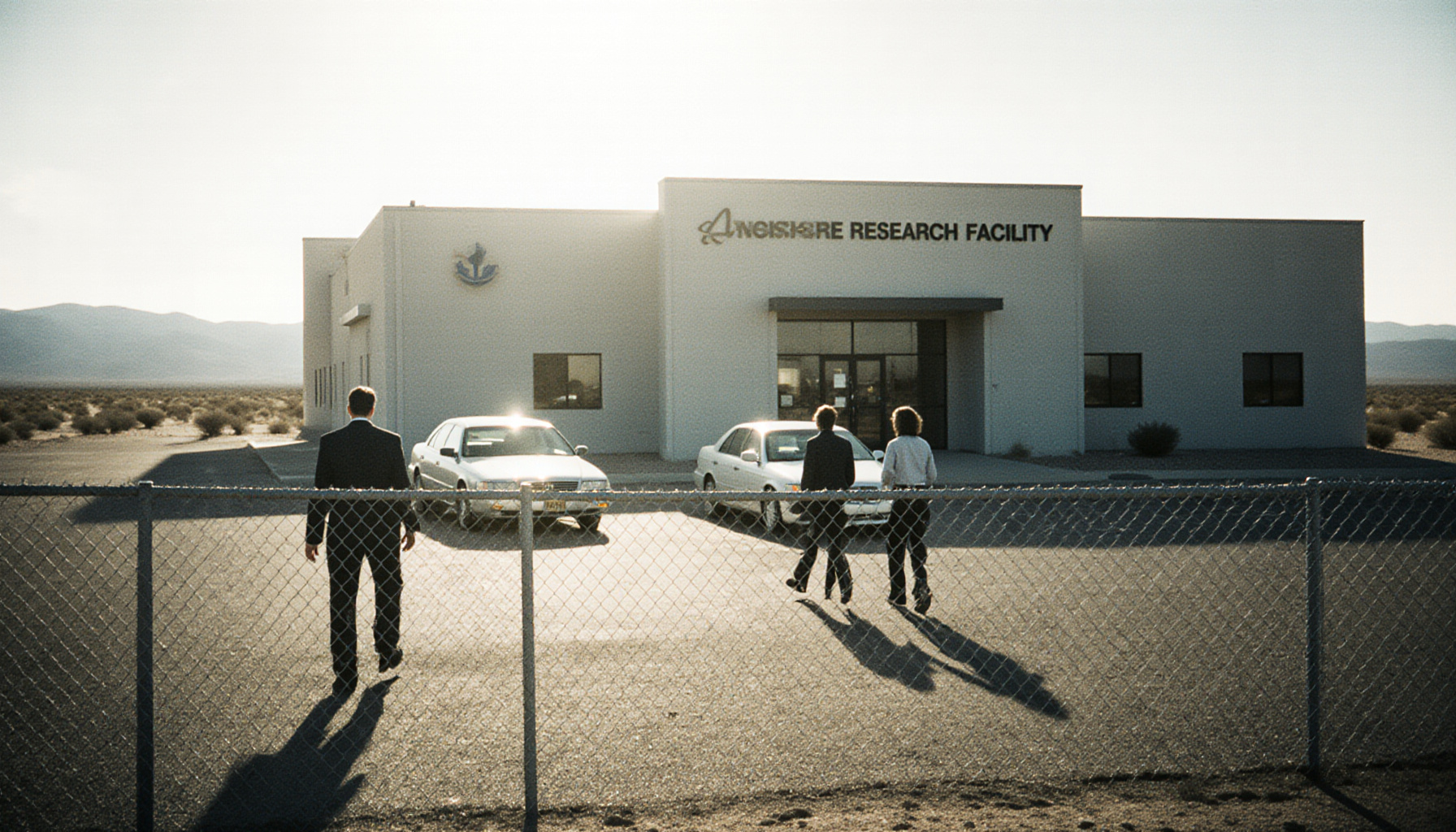
Two veteran journalists, Ben Schreckinger and Nick Cook, recently tackled the controversial James Ryder story that alleges an exchange of alien technology between Bigelow Aerospace and Lockheed Martin. Their discussion, broadcast on the Psicoactiv platform, underscores a growing tension between sensational claims and the demand for verifiable evidence within the UFO community.
The Ryder narrative posits that Bigelow and Lockheed Martin have covertly incorporated extraterrestrial engineering into their projects. Schreckinger and Cook dissected the claim, questioning the source material, the plausibility of such a partnership, and the lack of concrete documentation. Their debate highlights a broader issue: many high‑profile UFO stories circulate without the rigorous sourcing that mainstream journalism requires.
Dr. Jeffery Kripal, featured in a separate video, offered a complementary perspective by examining the cultural and psychological lenses through which UFO phenomena are viewed. He argued that collective beliefs, media portrayals, and personal experiences—especially abduction narratives—frame what observers consider credible. This cultural analysis provides context for why stories like the Bigelow‑Lockheed exchange capture public imagination even when empirical support is thin.
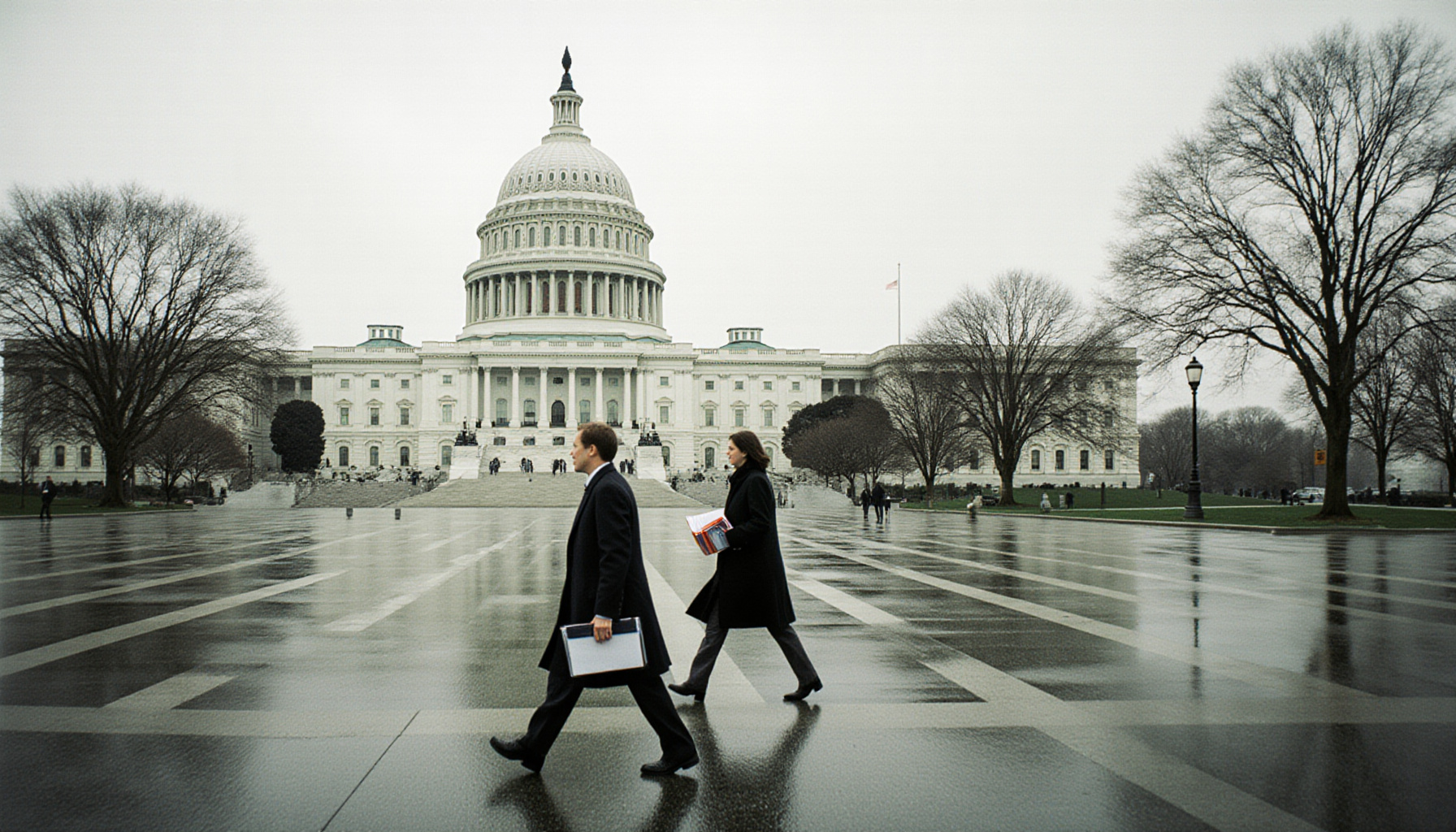
Amid the media debate, the political arena is witnessing a tangible shift. Jake Barber, a former Air Force veteran and self‑identified UAP whistleblower, has been appointed senior UAP adviser to Rep. Eric Burlison. Both video sources describe the appointment as a signal that congressional interest in UFO disclosure is deepening. The role is expected to "potentially accelerating congressional disclosure efforts," suggesting that lawmakers are moving beyond rhetorical support toward structured investigation.
Potentially accelerating congressional disclosure efforts.
Barber’s placement within Burlison’s office bridges the gap between insider testimony and legislative action, offering a conduit for classified or hard‑to‑verify information to reach policymakers. This development may also influence how journalists evaluate claims, as official channels begin to produce their own assessments.
Adding another layer to the evolving discourse, a 2013 UFO sighting over Port Huron, Michigan, has resurfaced. Analysts have compared the footage to the famed 2004 USS Nimitz "Tic‑Tac" encounter, noting similar flight characteristics and maneuverability. Tom DeLonge, a prominent figure in UFO advocacy, reportedly authenticated the Michigan video, lending it additional credibility among enthusiasts.
The comparison serves two functions: it reinforces the pattern‑recognition approach that many researchers use to link disparate sightings, and it provides a fresh data point that could be examined by the newly formed congressional advisory team. If the Port Huron footage withstands scrutiny, it may become a touchstone for future investigations, much like the Nimitz incident did for the Pentagon’s UAP report.
Collectively, these developments suggest a maturing ecosystem in which media scrutiny, academic interpretation, legislative action, and emerging evidence intersect. As the conversation moves from fringe speculation toward structured analysis, the standards by which UFO claims are judged are likely to become more exacting—a shift that could finally separate myth from measurable phenomenon.
Originally published by
Editorial Desk
Article ID
#2388
Join the discussion about this UFO/UAP story!
3 hours ago • 6 views

1 day ago • 31 views
1 day ago • 53 views

2 days ago • 53 views
Loading comments...
No comments yet. Be the first to share your thoughts!