Astronaut UAP Sightings Since 1951 Compiled, Fueling Evid...
3 hours ago • 4 views

Richard Dolan asks why UFO research has stalled for 25 years. Five recent stories show where the field is moving and where old problems persist.
Richard Dolan, one of the best-known researchers in the field, has asked a blunt question: why has UFO research shown so little progress over 25 years? According to a recent video discussion, he points to political barriers to disclosure and to patterns that keep recurring. Set beside other recent stories, his argument becomes a useful lens on the field today. Some parts are changing, some are not, and the difference matters.
As summarized, Dolan's analysis centers on two things: political barriers that stand in the way of disclosure, and persistent patterns within the field itself. The available material does not spell out his specific examples, so it would be wrong to put detailed claims in his mouth. The framing is still worth noting. He treats stagnation as a structural problem, not simply a lack of interesting cases.
That distinction is important. Many people in this community assume the central obstacle is evidence, that a good enough photograph or video would settle the matter. Dolan's framing suggests the obstacle may be how institutions respond to evidence, and how the research community responds to itself.
The other stories in this week's coverage show the field working on the problem from several angles at once.
Read together, these items complicate a simple stagnation story. Congressional involvement is a concrete institutional change. Whistleblowers now work inside the political process rather than only outside it. Whether that produces results is a separate question, and Dolan's emphasis on political barriers suggests caution. An appointment gives access and a platform. It does not by itself produce disclosure.
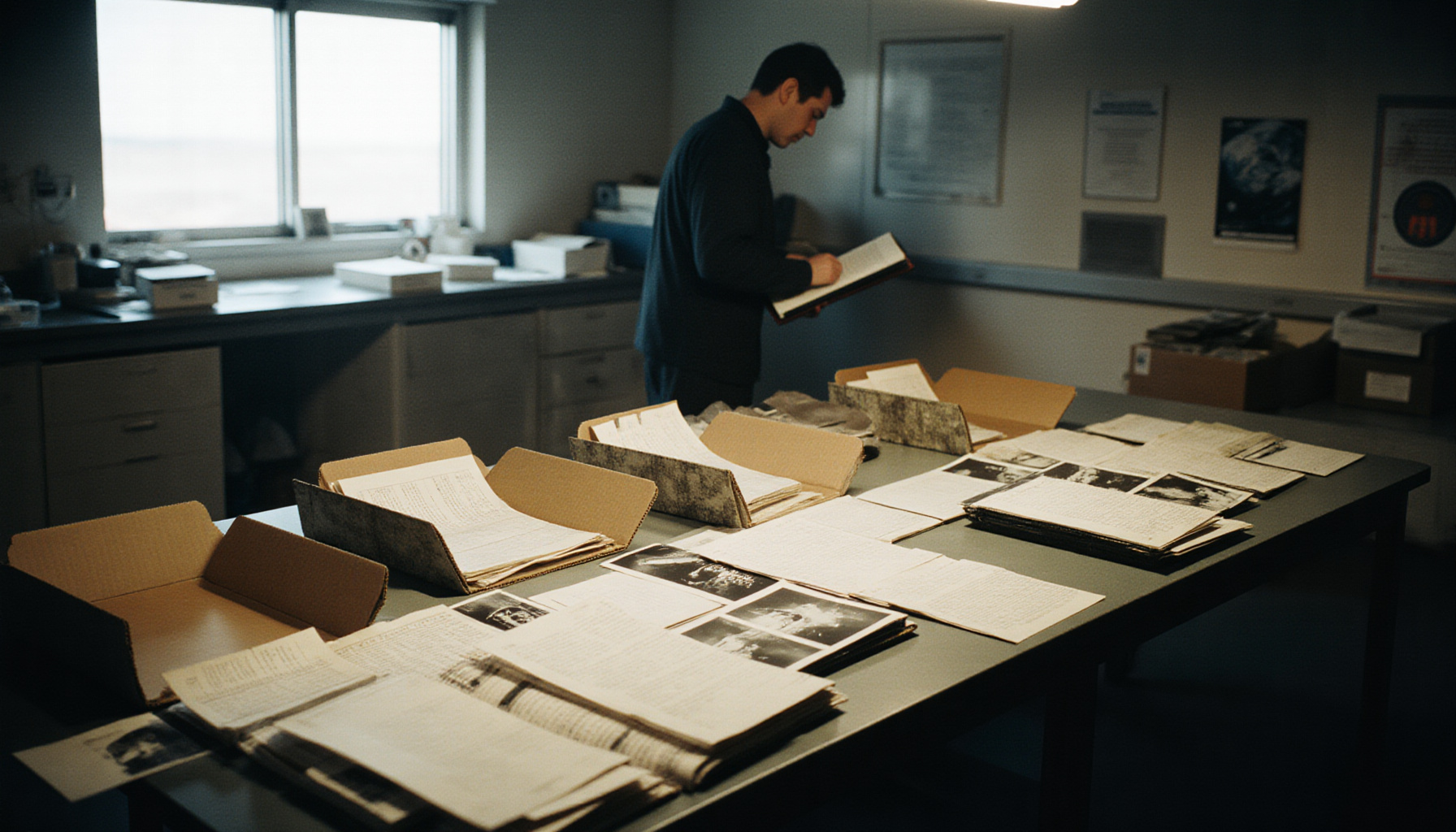
The Bigelow-Lockheed discussion points to another long-running pattern: dramatic claims that are hard to verify and that divide even sympathetic observers. When allegations about technology transfers circulate without documentation, they can consume attention that might otherwise go to better-supported material, such as the astronaut and declassified-document record. That is an interpretation, not something the reporting states, but it fits the kind of persistent pattern Dolan seems to be describing.
The question is not only whether there is something to find, but whether the institutions and the research community are set up to find it.
Kripal's contribution points to a different kind of stall. If culture strongly shapes how experiences are described, then researchers collecting accounts across decades must separate what is reported from how it is framed. That is a methodological problem, and it may help explain why accumulating testimony does not automatically turn into a settled body of knowledge.
The most concrete thing to follow is Barber's role with Rep. Burlison and whether it leads to documents, hearings or legislation. The more ambiguous question is whether the field can build on its strongest material, such as long-standing witness accounts and official records, while handling unverified claims with the scrutiny the Ryder debate suggests. Dolan's 25-year assessment is a challenge to both the government and the community around it. The next year will show whether the new congressional channels change the pattern or simply fit into it.
Originally published by
Editorial Desk
Article ID
#2396
Join the discussion about this UFO/UAP story!
3 hours ago • 4 views
1 day ago • 29 views
1 day ago • 29 views

2 days ago • 42 views
Loading comments...
No comments yet. Be the first to share your thoughts!