
Richard Dolan on 25 Years of UFO Research Stagnation and ...
9 hours ago • 10 views
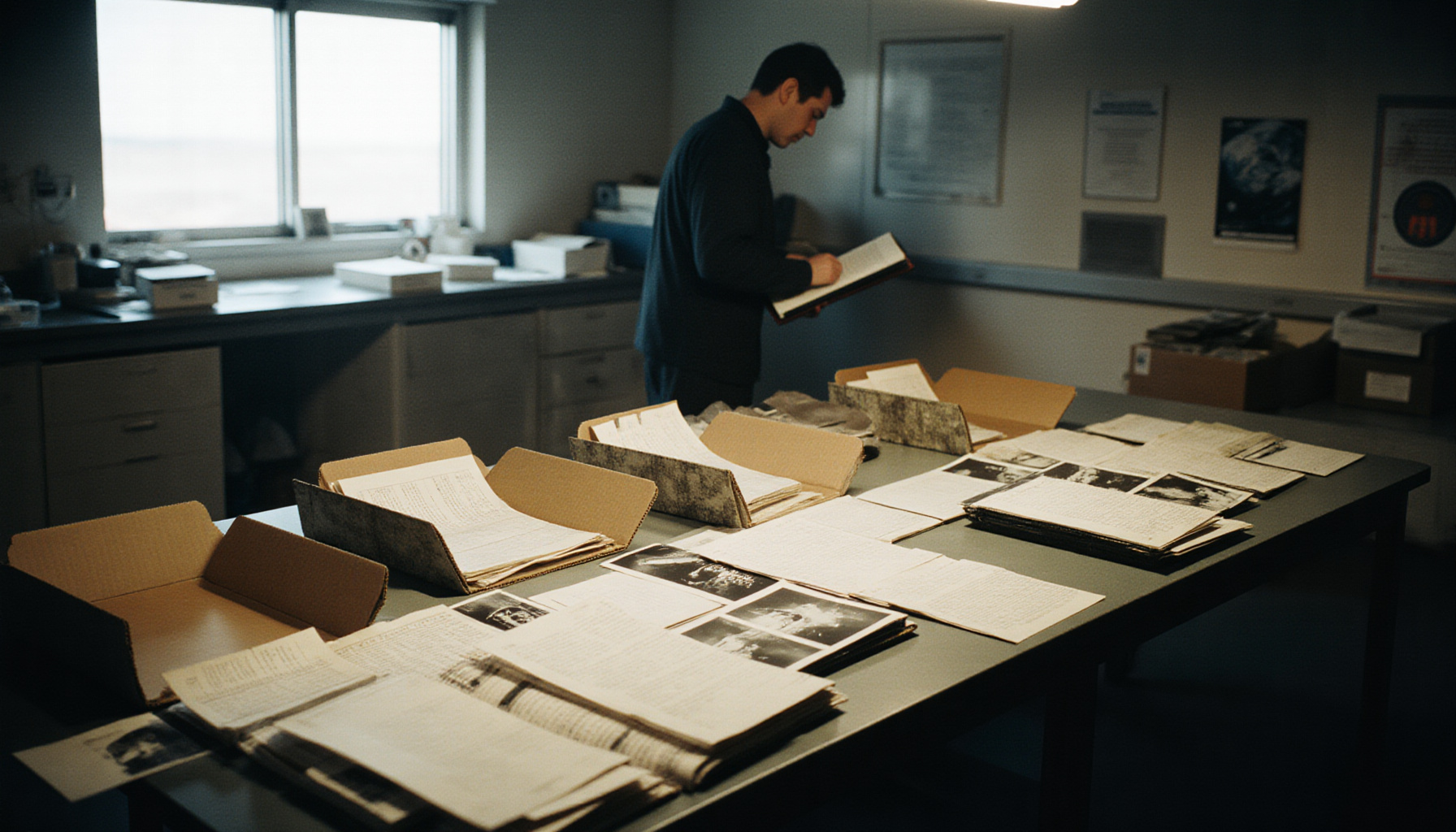
A new compilation gathers astronaut and cosmonaut UAP accounts from 1951 on. Here is how it fits with debates over credibility, research progress and Congress.
A newly circulated video compilation gathers astronaut and cosmonaut UFO/UAP sightings from 1951 to the present, pairing firsthand accounts with declassified Pentagon materials. The collection is a useful reference. It also raises a question the field keeps returning to: what kind of evidence actually moves the conversation forward?
Testimony from people trained as pilots, engineers and scientists is often treated differently from anonymous reports. The compilation draws on that. By combining personal accounts with declassified Pentagon documents, it sets what people say they saw next to what official records show. The two do not always line up, and putting them in one timeline lets viewers judge for themselves.
The material provided here does not detail individual cases, so this article does not evaluate them. A compilation is also not an investigation. It collects accounts but does not, on its own, resolve what was observed. Many sightings reported from orbit or from spacecraft are hard to assess without sensor data, flight records or independent corroboration. Whether the declassified documents add that kind of corroboration, or only show that the reports were taken seriously, is something viewers should check against the primary records.
The same week's coverage shows how contested sourcing remains. Journalists Ben Schreckinger and Nick Cook discussed the James Ryder story, which alleges an alien-technology exchange between Bigelow and Lockheed Martin. The discussion centered on whether the claim is credible, not on settling it. That is the healthier posture for a story built on a single contested narrative.
Set beside it, the astronaut compilation shows two kinds of sourcing. One relies on named individuals making observations in their professional capacity. The other relies on secondhand claims about hidden programs. Both get covered, but they do not carry the same evidentiary weight, and readers are right to keep them apart.
Researcher Richard Dolan has argued that UFO research has stagnated over the past 25 years. He points to political barriers to disclosure and to patterns that keep repeating in the field. A compilation spanning more than seven decades tends to support part of that argument: similar types of accounts recur across eras without producing a decisive public resolution. Whether that reflects official secrecy, limited data or something else is still disputed.
Seven decades of accounts show persistence. They do not, by themselves, show proof.
Scholar Dr. Jeffrey Kripal adds another layer. He discusses how culture shapes the way UFO experiences are interpreted, and what abduction experiences might reveal about consciousness and reality. This matters when reading any historical sighting archive. A report from 1951 and one from a recent mission were made in different cultural and technological settings, and the language used to describe them may reflect that.
The political side is also moving. Jake Barber, described as a UAP whistleblower, has been appointed senior advisor on UAP issues to Rep. Eric Burlison. The appointment suggests growing congressional engagement with disclosure efforts. If that engagement leads to hearings, document requests or oversight, the declassified material cited in compilations like this one could be examined more formally.
A compilation of astronaut sightings is best read as a map of what has been reported, not a verdict on what it means. The next useful step is to move from collection to verification, and the new congressional interest may help with that.
Originally published by
Editorial Desk
Article ID
#2399
Join the discussion about this UFO/UAP story!
9 hours ago • 10 views
1 day ago • 29 views
1 day ago • 31 views
2 days ago • 42 views
Loading comments...
No comments yet. Be the first to share your thoughts!