
Dave Foley's Orange-Gold Craft Sighting Meets a Shifting ...
23 hours ago • 6 views
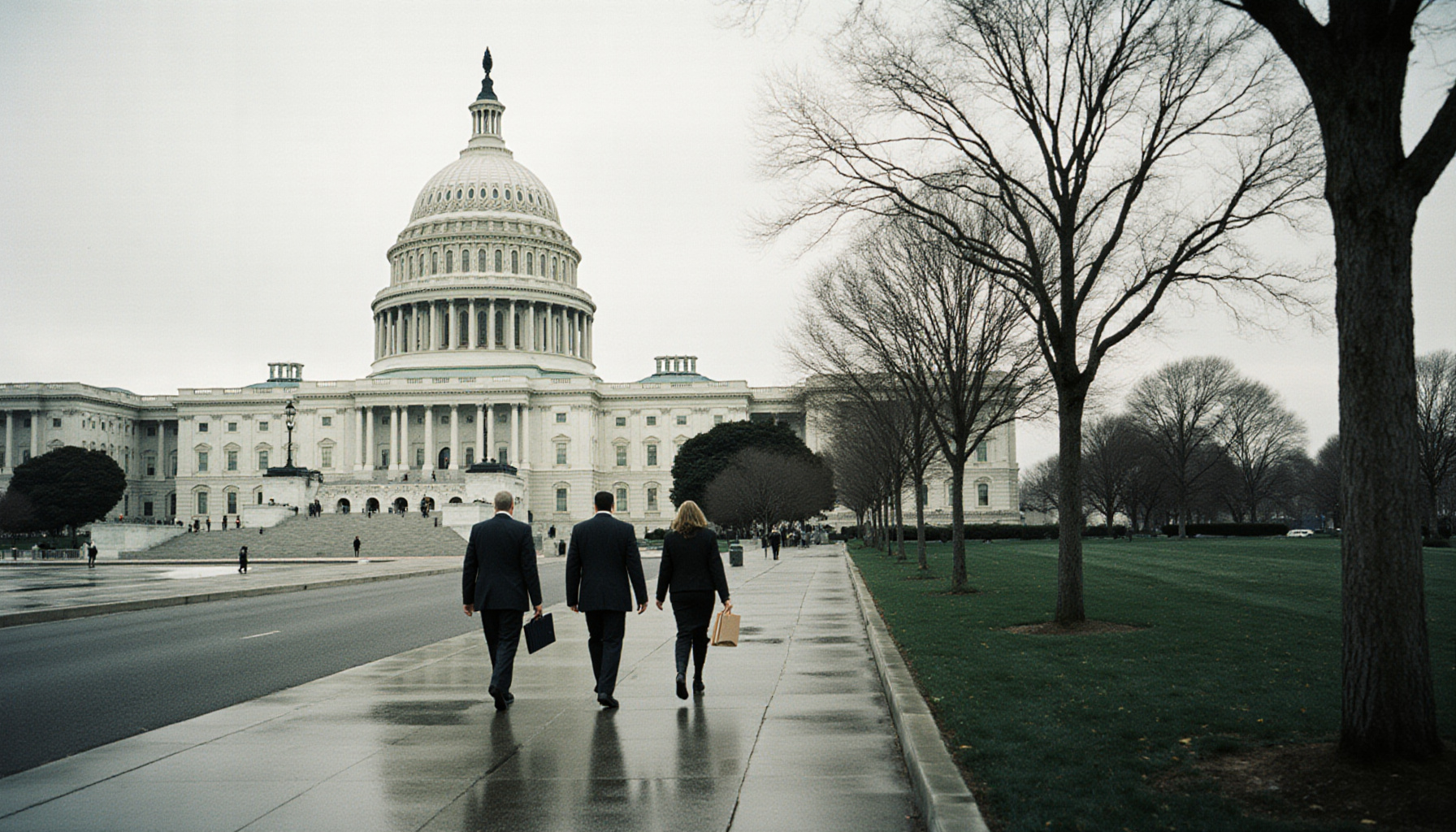
Trump says he knows of no secret UFO program, while Congress, a new congressional staffer and Japanese officials keep pressing for UAP transparency.
In a 60 Minutes interview, President Donald Trump denied knowledge of a secret UFO program. The remark has revived debate over government transparency on unidentified anomalous phenomena (UAP). A denial from the top of government does not settle the question on its own terms. Elsewhere, lawmakers, staffers and foreign officials are treating UAP as a subject for institutional inquiry, whatever the White House says.
The reporting we have is brief: Trump said he is unaware of a secret UFO program, and the comment has prompted discussion among disclosure advocates and skeptics. We have not seen a full transcript, so we won't over-read the wording. Even so, a denial of personal knowledge is a narrow claim. It does not address what agencies, contractors or past administrations may have documented, and it does not say whether any such program exists. It says only that the president has not been told of one.
That distinction matters because the disclosure debate has long turned on compartmentalization: the idea that sensitive programs may sit outside the awareness of elected officials. Supporters of that view can read a denial as consistent with their thesis. Skeptics can read it as a simple answer to a simple question. Neither reading is proven by one interview.
Analysis of the post-election landscape suggests Congress still has UAP advocates, though leadership changes have created uncertainty about how the issue will be prioritized. Questions are also emerging about Russian UFO documents and about witness testimony. Those threads show the conversation is not only about U.S. records but also about what other governments hold and how credible firsthand accounts are weighed.
One development points toward institutional engagement. Jake Barber, a prominent figure in UFO discussion who is often described as a whistleblower, has been confirmed as a congressional staffer for Rep. Eric Burlison. Barber's move from outside commentator to a role inside a congressional office is notable. What it will mean for investigations or hearings has not been reported, and the available material does not say what his duties will be.
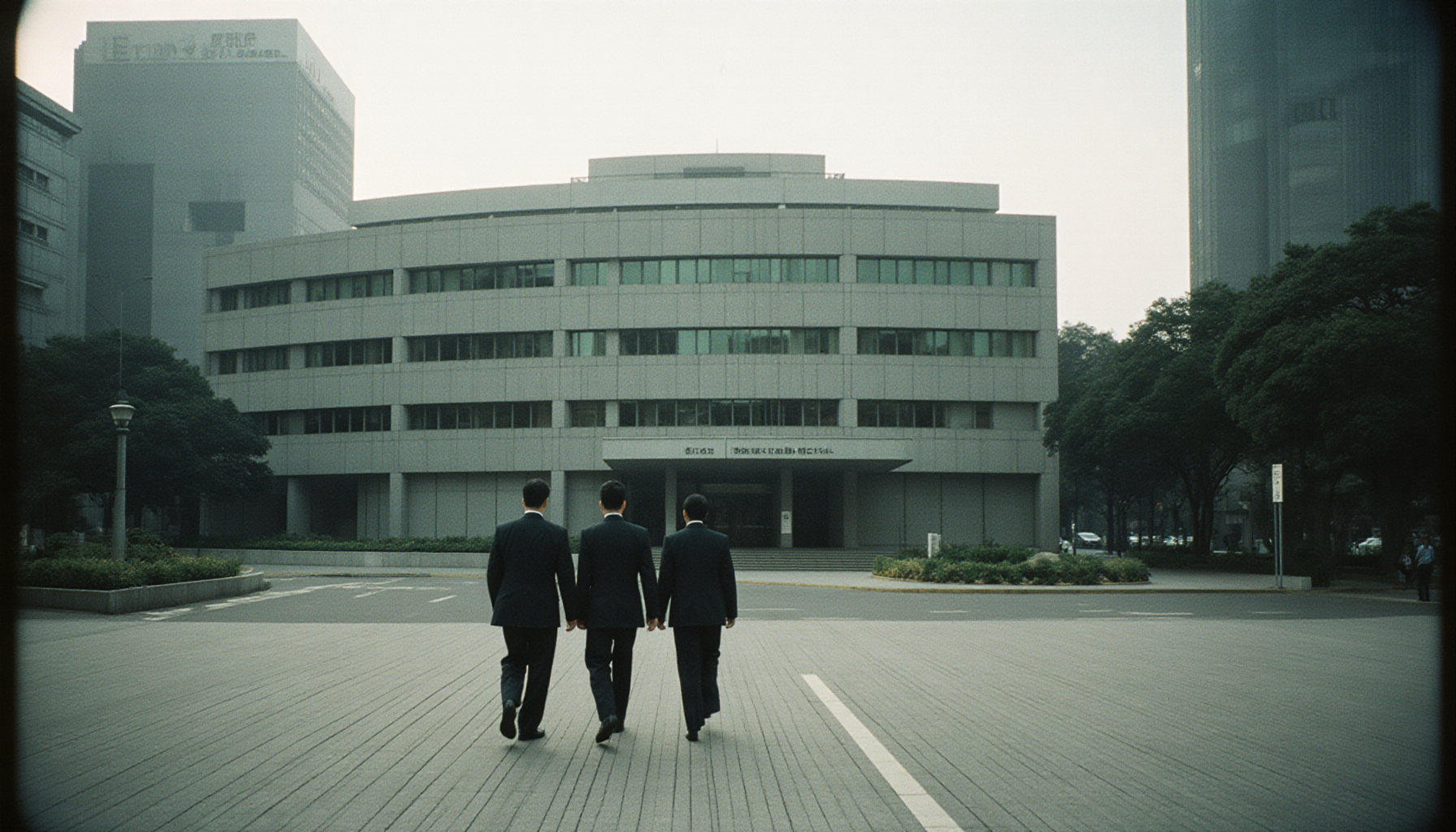
The issue is also moving in other capitals. Japanese government officials, including former Defense Minister Hamada, have discussed UAP investigations at a high level. Their remarks reportedly touched on incidents at nuclear facilities and on a push for greater transparency. The summary we have is limited, but it shows UAP being framed in Japan partly as a security and infrastructure issue, not only a curiosity.
Public interest is sustained by personal accounts as well as policy. Actor Dave Foley recently described seeing a large orange-gold craft while in the mountains and said the experience changed his perspective. A celebrity recollection is not evidence of anything specific, but it illustrates why testimony keeps coming up in congressional and public discussion, and why questions about how to evaluate it persist.
For now, the public record is mostly statements, not documents. The measure of progress will be whether the attention in Congress and abroad produces verifiable records, testimony under oath or formal findings, rather than competing interpretations of what officials say in interviews.
Originally published by
Editorial Desk
Article ID
#2288
Join the discussion about this UFO/UAP story!
23 hours ago • 6 views
1 day ago • 9 views
1 day ago • 8 views
2 days ago • 5 views
Loading comments...
No comments yet. Be the first to share your thoughts!