
Steve Aspin's Abduction Evidence Claims Put Physical Proo...
2 hours ago • 3 views
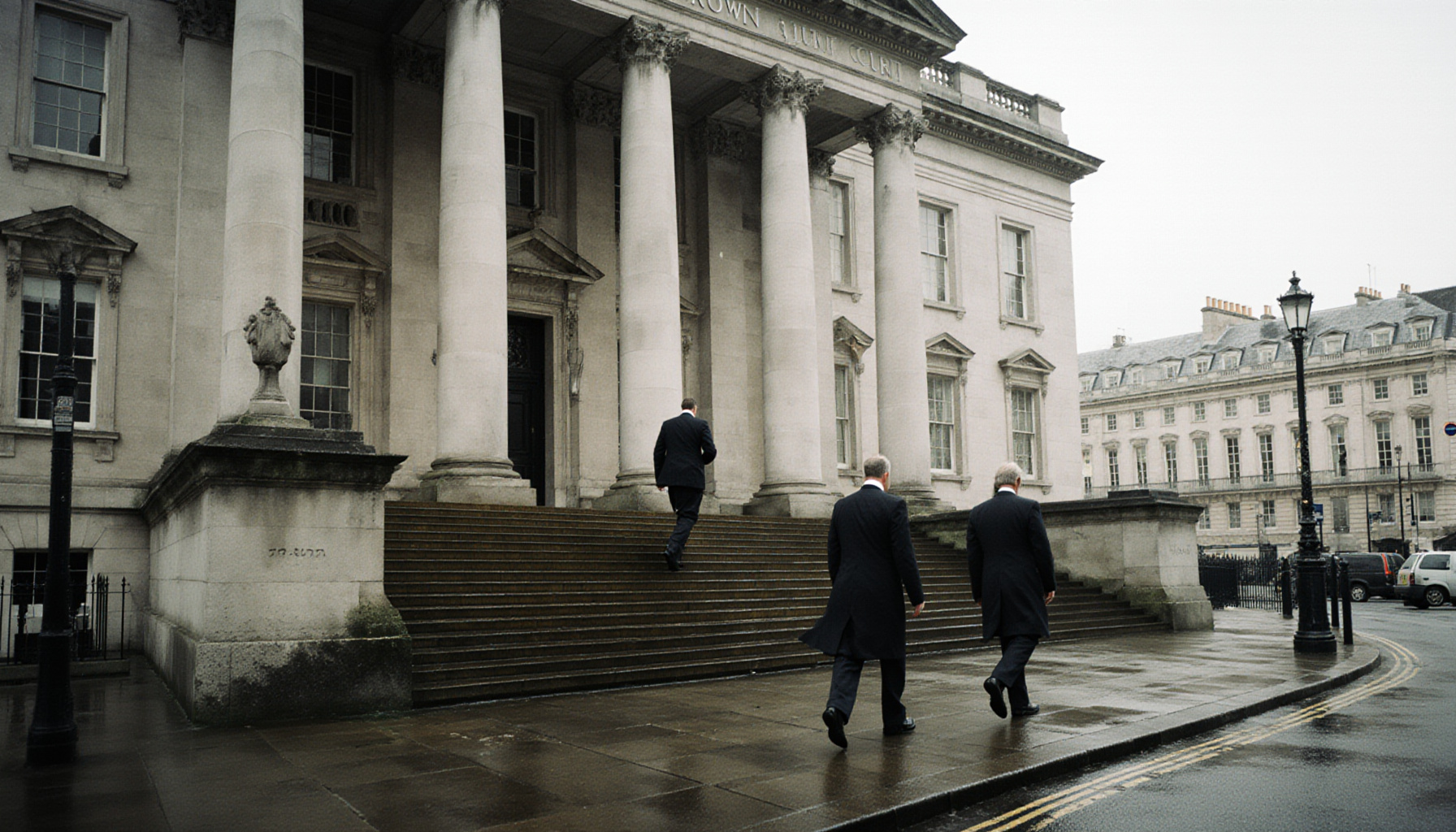
British barrister Jonathan Caplan argues alleged craft recoveries and witness intimidation could be tried in court. Here is how that framing compares with ot...
British barrister Jonathan Caplan argues that the UFO cover-up is not only a matter of secrecy but may conceal conduct that could be prosecuted in a court of law. According to a recent video discussion, he points to alleged craft recoveries and witness intimidation as the basis for that claim. These are assertions, not established findings, and the available description does not detail the evidence behind them. Still, the legal framing is worth examining, because it asks a different question from most UFO debates.
Much UFO discussion turns on whether a witness is credible or a photograph is authentic. Caplan's argument, as summarized, shifts the focus to alleged acts: whether objects were recovered, and whether people were pressured into silence. Those are the kinds of claims a lawyer would treat as questions of fact, to be backed by documents, testimony and chain of custody.
That framing cuts both ways. It suggests the subject can be pursued through formal processes. It also means the claims face a demanding test. Allegations of intimidation or illicit recovery programs would need named witnesses, records and corroboration to hold up. Nothing in the material provided shows that standard has been met, so readers should treat the claim as an argument awaiting evidence.
The same week's coverage shows how varied the proposed evidence is. British researcher Steve Aspin has appeared in two separate discussions, including one with Jesse Michels on American Alchemist. He presented what he describes as physical evidence and theories about intergenerational alien encounters, implants and hybrid programs. In the Michels interview he also discussed familial abduction patterns and an unexplained experience involving his deceased father.
Aspin's material sits at the opposite end from Caplan's. It is experiencer-centered and family-based, and it relies on personal accounts and objects offered for consideration. Caplan's approach is institutional and concerns what authorities may have done. The two have a common thread: both ask the audience to accept that something is being withheld or left unexamined. They differ in what kind of proof they would require.
Two older cases in the coverage show how long these questions have been argued. The Falcon Lake incident involved Stefan Michalak, who reported a close encounter with a landed UFO. The reporting notes documented burn injuries and physical effects that researchers have studied. Physical harm is often cited because it leaves a record separate from testimony, though what caused it remains the contested point.
The 1561 Nuremberg sky event goes back much further. On April 14 of that year, residents reportedly saw aerial objects in various shapes, including spheres and cylinders, moving erratically but in coordinated fashion for about an hour. It is a reminder that accounts of unexplained aerial phenomena predate modern secrecy debates, and that interpretation has always depended on the observer's framework.
Taken together, these stories show a field trying several routes at once:
Whether the evidence is a burn, an implant or a claim of intimidation, the useful question is the same: what can be documented, by whom, and under what standard?
Caplan's claim will matter only if it produces specifics that can be tested. Until then, it is best read as a call to apply conventional evidentiary rules to a subject that has often run on anecdote. The other cases show how far the evidence in this field still is from a shared standard.
Originally published by
Editorial Desk
Article ID
#2368
Join the discussion about this UFO/UAP story!
2 hours ago • 3 views
1 day ago • 43 views
1 day ago • 49 views

2 days ago • 39 views
Loading comments...
No comments yet. Be the first to share your thoughts!